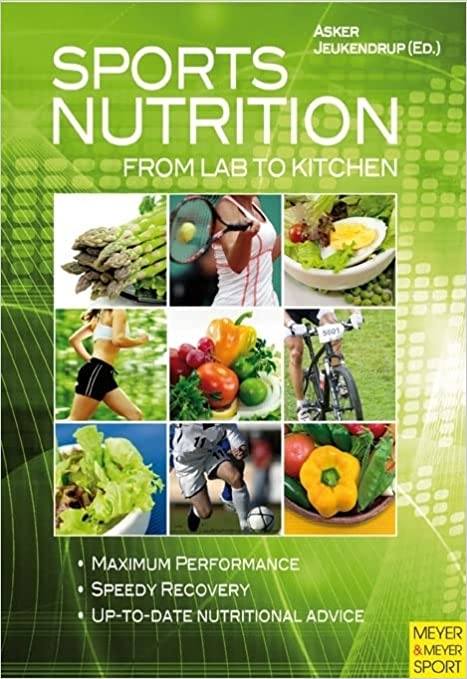



1. Shifting Your Nutritional Perspective: Eat More, Not Less
During injury recovery, many people instinctively want to “diet” when training volume decreases, neglecting the fact that healing requires a large amount of nutrients. Insufficient energy is one of the contributing factors to stress fractures; continuing low intake will only delay recovery.
- Prioritize ensuring sufficient total calories to avoid an energy deficit that further burdens bones.
- Incorporate carbohydrates into every meal, such as whole grains, fruits, vegetables, and starches, to provide fuel for the brain and energy for repair.
This may seem counterintuitive, but it paves the way for subsequent micronutrient intake.
2. Core Minerals: Calcium, Magnesium, and Potassium for Bone Protection
Calcium and Vitamin D are the building blocks of bone homeostasis and promote bone turnover after injury. Magnesium regulates calcium metabolism, potassium neutralizes the acidic environment, and silicon inhibits breakdown and stimulates regeneration.
|Nutrients|Functions|Food Sources|
|Calcium|Basis of Bone Structure|Dairy products, leafy green vegetables (such as kale), tofu, fortified fruit juice|
|Vitamin D|Key to Calcium Absorption|Sunlight exposure, fish, mushrooms, eggs, fortified cereals|
|Magnesium|Regulation of Calcium Utilization|Broccoli, flaxseed, pumpkin seeds, almonds|
|Potassium|Prevents Bone Breakdown|Bananas, avocados, beans, sweet potatoes|
|Silicon|Promotes Bone Regeneration|Carrots, onions, oranges, cucumbers|
Daily Goals: Calcium 1000-1200mg, Vitamin D 600-800IU, adjust according to individual needs.
3. B Vitamins: Detoxification and Anti-inflammation
Vitamin B12 and folic acid work together to remove pro-inflammatory amino acids from bones, reducing local inflammation.
- B12 Sources: Salmon, red meat, dairy products, fortified cereals.
- Folic Acid Sources: Spinach, lentils, asparagus, brown rice.
Protein is equally essential, supporting tissue repair. 25-35g per meal is recommended, such as lean meat, fish, soy products, and Greek yogurt.
4. Pillars of Recovery: Rest, Sleep, and Mindset
Besides nutrition, rest is crucial—follow your doctor’s advice and avoid strenuous training that could delay healing.
- 7-9 hours of quality sleep each night. Bone remodeling relies on the circadian rhythm; sleep deprivation disrupts metabolism.
- Expand your enjoyment of life, transcend the “athlete” identity, explore new hobbies, and build mental resilience.
Teamwork: Nutritionist, physical therapist, and doctor form a closed loop.
5. Practical Meal Plan: Balance and Variety
Build a “Performance Plate”: 1/4 protein, 1/4 carbohydrates, 1/2 fruits and vegetables, plus healthy fats such as nuts and avocado.
Examples:
- Breakfast: Fortified oat milk oatmeal porridge + chia seeds + berries.
- Main Meal: Tofu stir-fried with spinach + brown rice + broccoli.
- Snack: Almonds + orange + Greek yogurt. Prioritize food, supplementing as needed (e.g., vitamin D).
While bone stress injury is disheartening, it can also be an opportunity: rebuild a stronger body through nutrition. Embrace the change, patiently nurture your body, and regain your racing spirit as soon as possible.