

1. Fish Rich in Vitamin D: A Gift from the Ocean
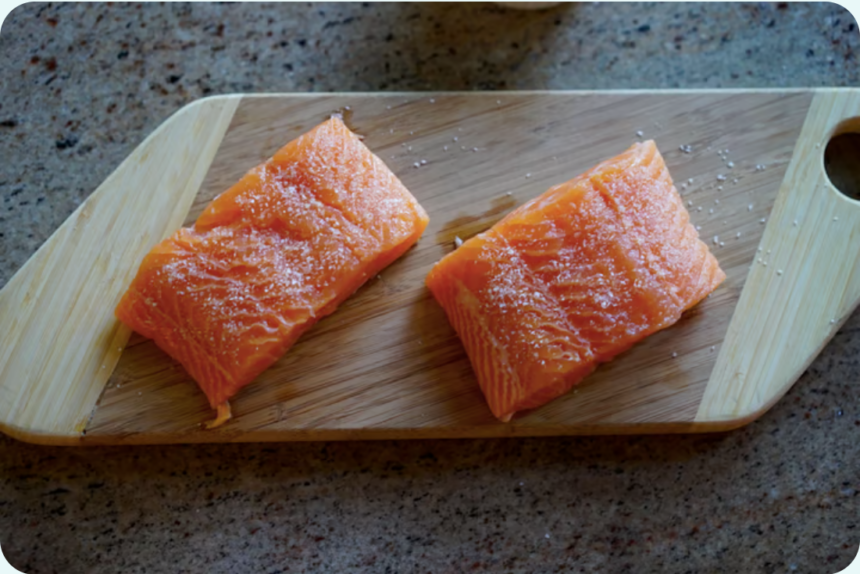
Oily fish are an excellent source; one serving of salmon can meet most of your needs.
|Food|Serving Size (100g)|Vitamin D (IU)|Percentage of DV (%)|
|Farmed Atlantic Salmon|100g|441|55|
|Wild Salmon (Baltic Sea)|100g|556-924|70-116|
|Halibut|100g|190|24|
|Mackerel|100g|643|80|
|Fresh Atlantic Herring|100g|167|20|
|Canned Sardines|100g|193|24|
Anchovies and herring are economical; be aware of the sodium content in the cured versions.
2. Cod Liver Oil and Canned Tuna: Convenient Supplements
One teaspoon (approximately 5ml) of cod liver oil provides 450 IU, accounting for 56%, suitable for those who dislike the fishy smell.
100g of canned light-colored tuna contains 269 IU (34%), has a long shelf life, and is affordable. However, pregnant and breastfeeding women should limit themselves to 8-12 ounces of low-mercury fish per week to avoid mercury accumulation.
3. Egg Yolks and Mushrooms: Land Treasures
One large egg yolk (50g) contributes 41 IU (5%). Choose free-range eggs raised in sunlight or those fortified with feed for higher content.
Mushrooms are a rare plant source, and their activity increases dramatically after UV exposure: a bowl of UV-treated palm mushrooms provides 1100 IU (139%), and a cup of wild morel mushrooms provides 136 IU (17%).
4. Fortified Foods: Daily Supplements
Many products are artificially fortified with Vitamin D, making them easy to incorporate into the diet.
|Food|Serving Size|Vitamin D (IU)|Percentage of DV (%)|
|2% Fortified Milk|One Cup|111|14|
|Fortified Soy Milk|One Cup (100g)|185|23|
|Fortified Orange Juice|One Cup (249g)|100|12|
Choose the low-sugar version for balanced intake.
5. Calcium Synergy: Double Insurance for Bones
Vitamin D promotes calcium absorption; both are essential and help prevent osteoporosis.
Daily Calcium Recommendation:
- Children aged 4-8: 1000 mg
- Ages 9-18: 1300 mg
- Adults aged 19-50: 1000 mg
- Ages 50 and above: 1200 mg (adjust slightly according to gender)
6. Practical Guide: Diet is Key
Sunshine is good, but a stable diet is even better: fish, eggs, mushrooms, and milk—layer upon layer—can build a solid vitamin D reserve. Careful selection and moderate intake will keep your bones strong and resilient over time.