

1. Sleep Apnea: A Hidden Nighttime Problem
Sleep apnea causes breathing to be repeatedly interrupted during sleep, potentially five to fifteen times per hour, leading to unstable oxygen supply and forcing the body to wake up.
- Obstructive type is the most common, caused by relaxed laryngeal muscles obstructing the airway.
- Central type is related to abnormal brain signals controlling breathing.
Without timely intervention, it can lead to symptoms such as daytime sleepiness, inattention, high blood pressure, and morning headaches, and even increase the risk of stroke and heart disease.
2. eXciteOSA: A Non-Mask Training Program
This FDA-approved device targets snoring and mild obstructive sleep apnea. Through neuromuscular electrical stimulation (NMES) technology, it gently pulses the tongue muscles, improving their endurance and positional stability.
- Core components include a medical-grade silicone bite block and a pulse generator, requiring only 20 minutes of use per day.
- One treatment per day for the first six weeks, then reduce to twice a week for maintenance.
The accompanying app allows you to adjust the intensity and record progress. The device requires a prescription and costs approximately $1650 USD. It can be paid for with HSA/FSA, but is not covered by health insurance.
3. Usage Process: From Doubt to Adaptation
In actual use, after charging, the device is placed in the mouth. The stimulation feels like a warm drink gently touching the tip of the tongue. Initially, there may be increased saliva production, but you will quickly adapt.
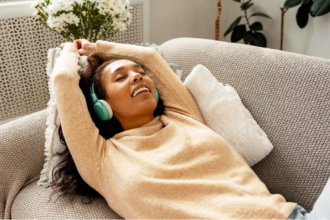
- It’s easy to use while watching TV, and the time can be easily passed. Gradually increase the intensity every few days.
- After four cycles, the number of times you wake up at night decreases, the frequency of turning over decreases, and you feel more energetic in the morning.
A short investment brings lasting improvement. Many users remark, “If only I had known this earlier, I wouldn’t have delayed!”

4. Suitable Population and Precautions
Suitable for mild patients with snoring or 5-15 sleep apneas per hour. Clinical trials have shown good results, but data is limited for those with a BMI over 35.
- Consult a doctor to confirm suitability before trying it yourself. – Replace your bite device quarterly, an additional $150.
If you already have CPAP, you can use it to enhance the treatment.
5. Supporting Strategies: A Multi-pronged Approach to Lifestyle Adjustments
A single device cannot solve all problems; combining it with other habits yields better results:
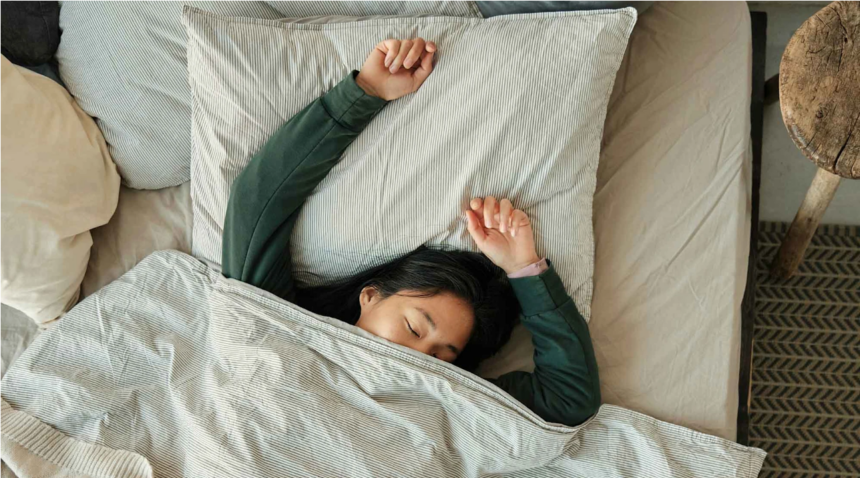
- Postural Therapy: Avoid sleeping on your back; use a pillow to stabilize your side to reduce airway collapse.
- Sleep Hygiene: Maintain a regular sleep schedule, get some sunlight in the morning, avoid screensavers before bed, and ensure a cool, dark, and quiet room.
- Lifestyle: Regular exercise, a balanced diet, and plenty of melatonin-rich foods such as mushrooms, pistachios, and oatmeal.
These subtle changes, like lights in the night, work together to illuminate the path to deep sleep.
6. The Possibility of Regaining Nighttime Peace
For mild sleep apnea, eXciteOSA offers a non-invasive and convenient option. Just 20 minutes a day can potentially reshape your breathing pattern and improve sleep quality. Despite initial concerns about price and the unknown, many who have tried it have only one thought: It should have been done sooner.