

1. Daily Requirement Guidelines: Determined by Age
Recommended Dietary Allowances (RDAs) have been established by authoritative nutrition organizations to ensure that the needs of 97-98% of healthy individuals are met, tailored to different population groups.
|Age Group|Recommended Daily Intake (mg)|
|Children aged 1-3 years|15|
|Children aged 4-8 years|25|
|Adolescents aged 9-13 years|45|
|Adolescents aged 14-18 years|65-75|
|Adult women aged 19 years and older|75|
|Adult men aged 19 years and older|90|
|Pregnant women (aged 19 years and older)|85|
|Breastfeeding women (aged 19 years and older)|120|
In addition, the Daily Value (DV) on food labels is 90 mg, making it easy to see the contribution of each serving.
2. Health Benefits: More Than Just Cold Protection
Vitamin C strengthens immune cell function and may shorten the duration of a cold: Multiple studies show that a daily supplement of 1-2 grams can reduce symptoms by 18% in children and 8% in adults.
- Promotes iron absorption, helping to prevent and treat iron-deficiency anemia.
- Supports collagen synthesis, accelerates wound healing, and acts as an antioxidant to protect cells.
Adequate daily intake contributes to overall health maintenance, especially for vulnerable populations.
3. Food Sources: Fresh Fruits and Vegetables are the Best Choice
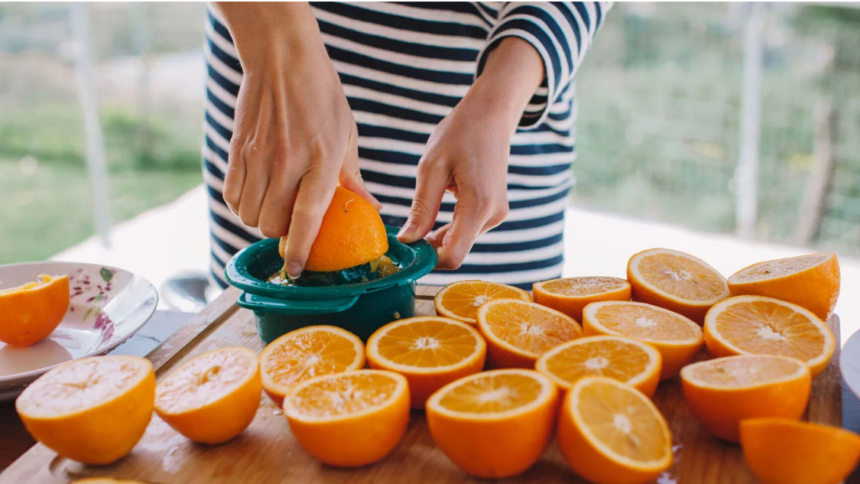
Prioritize obtaining vitamin C from natural foods, avoiding heating to prevent its degradation. Raw or lightly steamed foods are best. One serving of raw red bell pepper can provide more than the daily requirement.
|Food Examples|Serving Size|Vitamin C Content (mg)|Percentage of DV (%)|
|Raw Red Bell Pepper|Half a cup (75g)|95|158|
|Orange Juice|3/4 cup (177ml)|93|155|
|Kiwi|Half a cup (90g)|64|107|
|Raw Green Bell Pepper|Half a cup (75g)|60|100|
|Cooked Broccoli|Half a cup (78g)|51|85|
|Fresh Strawberries|Half a cup (72g)|49|82|
|Cooked Brussels Sprouts|Half a cup (81g)|48|80|
A diverse intake of fruits and vegetables is both efficient and balanced.
4. Supplement Selection: Focus on Absorption Rate
Common forms include ascorbic acid and its mineral salts. Choosing ascorbic acid with high bioavailability is the safest option.
- Multivitamins often contain this component, supplementing other nutrients simultaneously.
- Choose 45-120mg dosage according to age and gender to avoid overdose.
Prioritize food intake, supplement as a supplement for long-lasting effects.
5. Upper Limit Warning: Moderation is Key
Water solubility makes excess easily excreted, but exceeding the daily limit may still cause gastrointestinal discomfort such as cramps, nausea, and diarrhea.
|Age Group|Upper Tolerance Limit (UL, mg)|
|Children aged 1-3 years|400|
|Children aged 4-8 years|650|
|Adolescents aged 9-13 years|1200|
|Adolescents aged 14-18 years|1800|
|Adults aged 19 years and above|2000|
Those with iron overload should be especially cautious, as high intake amplifies the risk of iron absorption problems.
6. Daily Practice: The Path to Balance
Vitamin C, though seemingly ordinary, is indispensable for immunity, healing, and anti-oxidation. Adhering to the RDA, utilizing fruits and vegetables wisely, and supplementing prudently will allow the body to gradually build up its strength. Colorful plates often hold the most reliable protection.